Introduction
The manufacturing industry is complex, comprising various moving parts such as production, inventory, and stock levels that keep it together.
Managing every aspect of manufacturing operations manually can be a challenge, especially if you’re a growing company. Not to forget, a delay in one aspect could result in a massive backlog.
But does it mean that manufacturers should continue facing challenges in production?
Definitely not!
Enter ERPNext, the next generation of ERP software designed for modern manufacturing. It helps manufacturers streamline different aspects of their operations without any hassle.
Therefore, this blog takes a closer look at ERPNext for the manufacturing industry use case. Continue reading as we learn more about it in the following sections.
For manufacturers specifically, that means production planning, bill of materials, shop floor tracking, inventory, and cost accounting all live in one system instead of five disconnected tools. A delay on the shop floor shows up in the numbers immediately, not at month-end. That real-time link between the shop floor and the ledger is exactly what turns scattered fixes into a measurable drop in production costs, see the official ERPNext manufacturing module documentation for the full feature set.
What is ERPNext?
ERPNext is an innovative open-source cloud ERP software designed for manufacturing businesses of all sizes.
Built on the Frappe framework, ERPNext stands out as the best ERP for the manufacturing industry operations. This ERP software serves as a central modular hub, connecting diverse industrial processes to promote seamless cooperation and efficiency throughout the firm.
Designed for the manufacturing industry, this ERP software features ERPNext modules that streamline business processes, including purchasing, inventory management, sales, accounting, human resources, project management, production, CRM, and payroll to help simplify operations.
What’s more? ERPNext’s innovative features, user-friendly design, and easy and quick deployment are some of its main selling points, making it the ideal ERP for the manufacturing industry.
Why ERPNext is The Best Software for Manufacturing Industry
1. Lightweight Yet Powerful:
ERPNext is a lightweight ERP software, suitable for several sectors, including electronics, food processing, textiles, and chemical manufacturing industry. ERPNext offers functionalities like reporting, user interfaces, and workflows that add to everyday operations. If your plant is still running production on spreadsheets or a patchwork of point tools, those are usually the first signs you have outgrown your current system.
2. Affordable and Easy to Deploy:
ERPNext is one of the few open-source systems that can provide enterprise-level features. This makes it extremely affordable, with no need for costly permits or hidden costs.
3. Customizable Workflows and Modules:
ERPNext software is designed with flexibility in mind. Manufacturing businesses of every type and size can integrate it into their operations and customize the software per their unique requirements, without worrying about whether their system can keep up.
4. Ideal for Discrete, Process, and Engineer-to-Order (ETO) Manufacturing:
ERPNext software adapts to diverse manufacturing styles, whether discrete, process, or engineer-to-order (ETO). It streamlines different aspects of operations to improve operations over time.
Features of ERPNext for Manufacturing Industry
As global manufacturing businesses evolve, ERPNext emerges as an all-inclusive open-source solution. It helps businesses increase effective production and revenue with the following core features:
Bill of Materials (BoM) Management
ERPNext simplifies creating, editing, and managing detailed Bills of Materials for individual products. It also allows users to add additional attributes to ensure the production teams remain accurate and updated.
Production Planning & Work Orders
With the ERPNext system as their ERP, manufacturers can plan their processes with transparency. It tracks work orders, allocates resources, and monitors progress, so manufacturers can meet deadlines without overloading production.
Inventory & Warehouse Management
Stay on top of your inventory levels with the ERPNext system. The ERPNext software allows manufacturers to track different aspects of their inventory across multiple warehouses. With ERPNext, manufacturers can track raw materials, work-in-progress, and finished goods in real time.
Quality Control
ERPNext software allows manufacturers to set quality control in production. It enables manufacturers to establish checkpoints, flag non-conformance, and record inspection results, helping with consistency in operations throughout.
Real-Time Reporting & Dashboards
Data is the lifeblood of manufacturing operations, and the ERPNext system helps you move the clock with precision. It allows manufacturers to check production status, inventory levels, and key performance metrics in real-time for better decision-making.
Supply Chain & Procurement Integration
ERPNext software moves your operations beyond basic manufacturing. It helps business owners automate material requests, purchase orders, and supplier communication, reducing delays and ensuring seamless production throughout.
Shop Floor Control
Integrating ERPNext software into your systems enables better shop floor control. It helps track everyday activities, from assigning tasks to tracking machine usage with complete visibility into operations at the ground level.
Cost Tracking & Analytics
Monitor manufacturing costs in detail, from raw materials to labor and overheads. ERPNext provides cost analysis tools to identify inefficiencies and improve profitability over time.
Top Benefits of ERPNext for Manufacturers
Streamlined Operations & Efficiency
Delays in manufacturing are an indicator of disconnected systems. With ERPNext integrated into your operations, it works as the connecting bridge between production scheduling, sales orders, and material planning.
Manufacturers who have worked with experienced ERPNext consultants — whether in the USA, Canada – consistently report that this connectivity is what eliminates the most persistent bottlenecks in their day-to-day workflow.
Reduced Inventory & Waste
Holding inventory not only blocks your working capital but also increases the risk of product expiry. With ERPNext, business owners or managers have access to real-time visibility into quantities, usage rates, and reorder points. It helps manufacturers eliminate the hassle of over stocking by streamlined production.
Improved Quality & Compliance
Consistent quality requires both clear processes and reliable tracking. With ERPNext, businesses have well-defined quality checks at every stage, so potential defects are caught before they progress.
All results are logged automatically, which not only simplifies compliance audits but also provides a historical record for continuous improvement initiatives.
Better Planning & On-Time Delivery
Meeting delivery commitments starts with knowing capacity, material availability, and demand forecasts over a single dashboard.
ERPNext connects these elements, allowing planners to create schedules that are both realistic and achievable. As a result, lead times become more predictable, and customers receive products when promised.
Cost Visibility & Control
ERPNext keeps complete account of costs during manufacturing, from raw materials entering the shop floor to labor hours and equipment usage.
This level of tracking gives management the ability to spot overspending early. Corrective measures can then be implemented before minor variances turn into major budget overruns.
Data-Driven Decision Making
Manufacturers rely on incomplete information when their operational data is scattered. With ERPNext, they have access to consolidated metrics such as production efficiency, delivery performance, and inventory turnover in a single reporting view.
Access to such data makes it easier to spot trends, enabling managers to respond with targeted improvements backed by factual, timely insight.
ERPNext Vs. Traditional ERP Systems
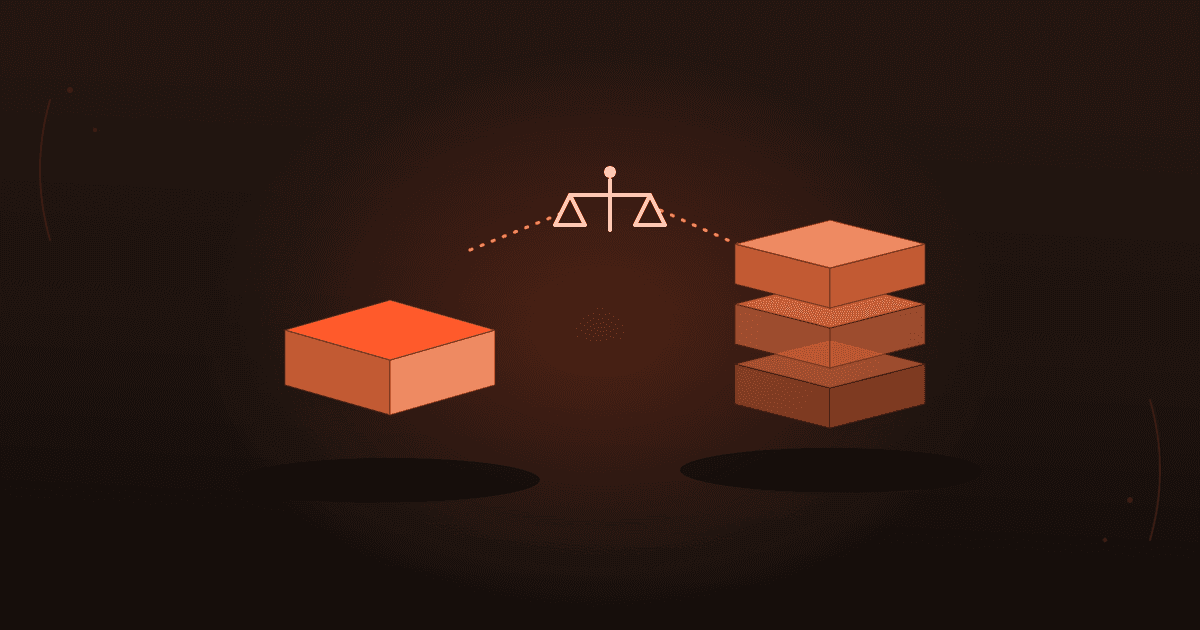
ERPNext is designed to set your business apart. Thanks to its open-source nature, it changes how businesses manage their operations.
Let's learn more about the role of ERPNext against traditional ERP systems. For a full breakdown beyond manufacturing specifically, see our complete ERPNext vs Traditional ERP Systems comparison.
How Solvios Helps Manufacturers Implement ERPNext
At Solvios Technology, we help you integrate ERPNext into your manufacturing operations in four simple steps. We can help transform your manufacturing operations via:
- Consulting and needs analysis: Our experts conduct a detailed review of your operations to identify the hurdles in manufacturing. Based on our analysis, we provide tailored recommendations, including a clear breakdown of the ERPNext implementation cost, to help streamline your workflow..
- Custom development & module integration: Following our audit, we recommend implementing customized solutions tailored to your manufacturing operations. We create systems that simplify your operations and improve customer interaction.
- Data migration and training: Our experts also help you move data from legacy systems. What’s more? We also train your team to run the new workflow to ensure zero hurdles during live operations.
- Post-implementation support: Our work doesn’t end once the systems are live. We help you resolve any issues post-implementation, offering the required support for your operations.
Innovate Manufacturing Today
ERPNext is the go-to software for modern operations. It allows manufacturers to save costs over a comprehensive ERP. It’s open-source, affordable, and scalable for businesses at every stage of their operations.

 Startups
 Fintech
 Healthcare
 Manufacturing
 Marketplaces
 Mortgage
 Real Estate
 Retail
 Sports and Fitness
 Telecom and IT
 Logistic
 SaaS Product
 About Us
 Blog
Blog Careers
 Become A Partner
 Contact


 About Us
 Blog
Blog Careers
 Become A Partner
 Contact