Solvios Technology successfully delivered the project within the agreed timeline and budget, while maintaining a strong transaction success rate and reliable reporting accuracy. Their team demonstrated a high level of commitment, focus, and results-driven execution throughout the engagement. What stood out most was their ability to identify and resolve challenges quickly, making them a dependable and efficient technology partner.
Years of Experience
Experts in Our Team
Happy Customers Worldwide
Projects Delivered Successfully
4.9/5 ratings
5/5 ratings

End-to-End CMS Development Services From Architecture to Production
Whether you're standing up your first content platform, migrating off a legacy CMS that's slowing your team down, scaling commerce on Shopify or wiring AI into editorial workflows, our CMS development services cover every layer of how production content infrastructure actually gets built. Delivered by senior CMS architects and full-stack engineers who treat the CMS as a critical engineering surface not the boring back-of-house where junior developers learn.
WordPress Development Services
WordPress still powers more of the web than any other CMS and most WordPress builds still treat it like 2015\. We engineer WordPress at the standard modern engineering demands: custom theme architecture, performant plugin design, Gutenberg block development, headless WordPress with React or Next.js frontends, multisite management for enterprise content estates, WooCommerce engineering, advanced custom fields, REST and GraphQL API integration and the kind of WordPress development that scales past the typical template-and-plugin trap most agencies leave behind.
Shopify Development Services
Shopify is no longer just an ecommerce platform, it's the engineering surface most consumer brands run on. We engineer Shopify solutions across custom theme development on Liquid and Online Store 2.0, Shopify Plus implementations, Hydrogen-based headless commerce, custom apps and Shopify Functions, third-party API integration, checkout extensibility and the kind of Shopify engineering that scales from first sale to enterprise GMV without the platform constraints most agencies hit.
Headless CMS Development
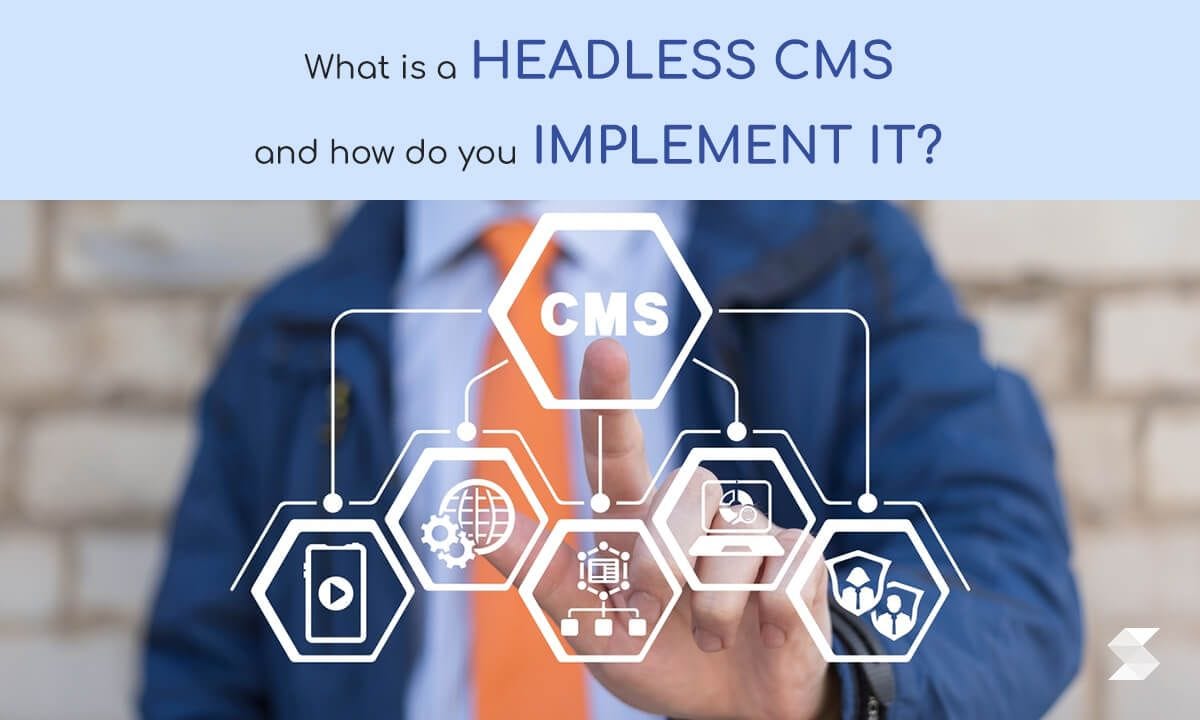
Headless CMS architecture separates content from presentation giving engineering teams the flexibility to ship across web, mobile, kiosks, IoT and AI surfaces from a single content backbone. We engineer headless CMS solutions across Contentful, Sanity, Strapi, Storyblok, Hygraph and custom headless architectures, with the API design discipline, content modeling rigor and frontend integration depth (Next.js, Nuxt, Astro, SvelteKit, Remix) that production headless deployments actually demand.
Strapi Development Services
Strapi is the open-source headless CMS engineering teams pick when they want full control without vendor lock-in. We engineer Strapi solutions from custom content type design to plugin development, GraphQL and REST API architecture, role-based access controls, custom field types, webhook engineering, self-hosted deployment patterns and the kind of Strapi development that turns an open-source CMS into production infrastructure your engineering team genuinely owns.
Umbraco Development Services
Umbraco is the .NET-based CMS engineering teams in Microsoft-centric stacks reach for when WordPress doesn't fit and SharePoint isn't the answer. We engineer Umbraco solutions from custom data type and document type architecture to Umbraco Cloud deployments, Umbraco Forms, member management, multilingual content modeling, headless Umbraco delivery and the kind of .NET-native CMS engineering that fits cleanly into existing Microsoft enterprise architecture.
AI Integration Services for CMS
The CMS is where AI most directly meets the content team and where most AI-CMS integrations quietly disappoint. We engineer AI integration services for content platforms with the production discipline AI workloads actually demand: AI-assisted content drafting wired into editorial workflows, AI-powered taxonomy and metadata generation, intelligent content recommendations, automated translation pipelines, AI-driven content personalization, schema generation for AI search visibility and the kind of AI-CMS integration that respects editorial control while accelerating content production.
The CMS Built for AI Workflows, Not Around Them
Most CMS shops still build content infrastructure the way they did in 2015 themes, plugins, dashboards. We treat the CMS as the architectural layer that determines whether your content team, your engineering team and your AI workflows actually work together or whether you spent two years building a platform nobody wants to use.

Content models designed for AI workflows, not retrofitted around them
Modern CMS architecture needs to handle AI-generated content, vector embeddings for semantic search, AI-assisted editorial workflows and the structured-data discipline that AI search engines actually depend on.
Highlights:
- AI-ready content models
- Embedding & vector integration
- Schema engineering for AI search

Content models designed for AI workflows, not retrofitted around them
Modern CMS architecture needs to handle AI-generated content, vector embeddings for semantic search, AI-assisted editorial workflows and the structured-data discipline that AI search engines actually depend on.
Highlights:
- AI-ready content models
- Embedding & vector integration
- Schema engineering for AI search
From WordPress to Headless - The CMS Surface We Cover
CMS development isn't one category, it's a landscape spanning open-source platforms, enterprise commercial systems, headless architectures, ecommerce-first platforms and the proprietary content infrastructure modern brands actually run on. Here are the CMS platforms we engineer across and the use cases we build for selected for the engineering bar each one earns its place at.

Why Engineering Leaders Pick Solvios as Their CMS Development Company
We're not just another CMS development agency. We're the AI-first CMS engineering partner CTOs, heads of engineering and platform leads hire when content infrastructure has to scale with product velocity, performance budgets and the AI workloads ahead not just survive the next launch.
AI-First CMS Engineering DNA
AI-native content architecture, AI-assisted editorial workflows, AI-powered search and personalization are built into how we approach every CMS engagement not bolted on as a "we do AI too" tagline.
Senior CMS Architects, No Bench Warmers
You work directly with senior CMS architects, full-stack engineers and platform specialists who've shipped production CMS at real scale not juniors learning Gutenberg or Liquid on your retainer.
Platform-Agnostic, Use-Case-First
WordPress, Shopify, Strapi, Umbraco, headless platforms. We recommend the CMS that fits your engineering team, your content team and your scale not the one we happen to resell.
Engineering DNA Behind Every CMS Decision
We're a technology company first. Performance engineering, structured data, API integration, DevOps and security the technical depth pure-play CMS agencies usually outsource, we build in-house and bake into every engagement.
Transparent, Predictable Delivery
Clear sprints, honest reporting, no surprise infrastructure bills. You always know what's shipping, what it's costing and what it's earning in engineering and content outcomes.
Built for What's Next in Content
We architect for AI-driven publishing, headless architectures, edge-rendered content, AI search visibility and the CMS patterns shaping the next five years, not just the WordPress builds from three years ago that are already hitting scaling walls.
Why Our Clients Love Working With Us
We build long-term partnerships through transparent communication, technical excellence, and consistent delivery aligned with business goals.
Our CMS Development Delivery Process
Most CMS engagements don't fail technically they fail because the platform selection happened before the requirements were understood, the content model was designed without the content team in the room or the migration plan was written without honest SEO consideration. Our AI-first CMS development services follow a structured delivery methodology designed to surface those problems early and ship CMS solutions that actually scale.
Here's exactly how it works.
Discovery & CMS Architecture Audit
We audit your current content infrastructure, editorial workflows, publishing requirements, integration landscape, performance baseline and the accumulated technical debt no one's documented. The deliverable is an honest picture of where the leverage actually is.
Platform Selection & Strategy
We design the target CMS architecture, platform selection trade-offs, content model strategy, integration patterns and the success metrics that define when the system is actually ready for production. Platform recommendation based on your team and your scale not on what we happen to sell.
Content Modeling & Design Systems
We design the content model, taxonomy, component library and design system the CMS depends on engineered for both editorial flexibility and engineering predictability. The model that determines whether content teams can actually use the system once it ships.
Development & Integration
Our engineers build the CMS implementation in phased sprints theme or component development, API engineering, third-party integration, AI workflow integration, performance optimization and the kind of CMS engineering that doesn't surface bugs the day editorial teams start using it.
Migration & Launch
We migrate content from legacy systems with the SEO preservation discipline. Migrations actually demand URL mapping, redirect strategy, structured data continuity, search engine notification and the launch playbook that protects existing organic traffic through the cutover.
Operations & Continuous Improvement
We operate the CMS in production security patching, performance monitoring, editorial workflow optimization, ongoing content infrastructure improvements and quarterly architecture reviews that surface the next improvements before scaling walls or maintenance debt start compounding.
Flexible Engagement Models to Hire Our CMS Development Company
Your CMS engagement doesn't fit a template, and the contract shouldn't either. The right way to hire a CMS development company depends on your scope, your timeline and your in-house engineering team's depth. Three models, all built for how production CMS development actually gets delivered.
You need CMS engineers who know your stack, your content model and your editorial requirements as well as your in-house team building for your CMS roadmap, not splitting attention across five other clients. The Dedicated Team model gives you a fully embedded CMS unit accountable to your production outcomes.
- Right for you if
You're running a multi-quarter CMS modernization, building an enterprise content platform, scaling content operations across multiple brands or augmenting your in-house engineering team without the cost and lead time of full-time hires.
- What you get
Hand-picked CMS architects, full-stack engineers, frontend specialists and a delivery lead working only on your platform. Sprint planning, code reviews and weekly reporting run on your calendar and your tooling.
- Economics
Monthly retainer. No surprise invoices, no scope-creep billing. Team composition flexes as your CMS roadmap evolves.
3-8 engineers
6-month minimum
Scales with 30-day notice

Ready To Ship CMS Infrastructure That Actually Scales?
Building AI-First CMS Foundations for the Businesses That Will Define the Next Decade. The companies investing in production-grade, AI-ready CMS engineering now won't be the ones explaining publishing bottlenecks, performance regressions and re-platforming bills two years from now.

Industries We Deliver CMS Development Services For
CMS requirements look different across industries; the regulatory posture, the editorial workflows, the integration landscape and the content velocity all change the engineering. These are the verticals where we've shipped CMS in production and know what real content infrastructure looks like.

Frequently Asked Questions
Honest answers to the questions every CTO, head of engineering and platform lead asks before they hire a CMS development company. If something isn't covered here, our CMS architects will walk you through it on a discovery call, no sales pitch, no fluff.
Look beyond the platform certifications. The right CMS development company asks more questions than it answers in the first conversation about your editorial workflows, your content team, your integration landscape and what a CMS migration would actually mean for your engineering team. Evaluate on architecture depth in the discovery phase, transparency about platform trade-offs, platform-agnostic thinking (not vendor advocacy) and whether they push back constructively on platform decisions. Anyone who recommends a specific CMS before they've understood your team isn't the right partner.
End-to-end CMS development services cover CMS strategy and consulting, platform selection, content modeling, theme or component development, API and integration engineering, AI integration for content workflows, performance optimization, SEO architecture, content migration, editorial workflow design and ongoing CMS operations. The best engagements also include an architecture audit and content model design before any implementation work begins because decisions made in week one shape the platform's ceiling for years.
A focused CMS build WordPress site, Shopify theme, Strapi MVP, Umbraco setup: $15,000-$75,000. A mid-complexity CMS project (custom theme, headless architecture, ecommerce engineering): $75,000-$250,000. An enterprise CMS program with multi-brand architecture, custom CMS development or complex migration: $250,000-$1M+. Ongoing CMS operations typically run $5,000-$40,000 per month depending on scope. We provide detailed estimates after an architecture audit.
A focused CMS build (WordPress site, Shopify theme, Strapi MVP): 6-12 weeks. A mid-complexity CMS project (custom development, headless architecture, integration depth): 3-6 months. An enterprise CMS program with multi-brand architecture and complex migration: 6-18 months, executed in phases. We provide milestone-based timelines in writing before development begins.
It depends on your team, your content velocity and your scale. WordPress for content-heavy marketing sites where editorial flexibility matters and the team is comfortable with WordPress. Shopify for commerce first brands where Shopify's commerce engine earns its keep. Strapi for engineering teams who want open-source headless control without vendor lock-in. Umbraco for .NET-centric enterprises with existing Microsoft architecture. The right CMS is the one that fits your team, not the one with the best marketing.
AI-first CMS development means designing content architecture with AI workflows as a first-class consideration AI-assisted editorial production, AI-driven content personalization, vector-based semantic search, schema engineering for AI search visibility and AI-integrated content workflows. If your content roadmap includes any AI features (and most do in 2026), retrofitting AI into legacy CMS architecture is harder than designing for it from the start. The CMS builds worth investing in now are the ones that don't need rebuilding when AI workflows scale.
Yes. SEO preservation is a core engineering discipline of CMS migration URL mapping with comprehensive 301 redirects, structured data continuity, internal link preservation, search engine notification, redirect testing automation and the kind of migration discipline that protects organic traffic through the cutover. We've migrated content estates across WordPress, Shopify, Drupal, custom CMSes and headless platforms losing SEO during migration is a process failure, not a technical inevitability.
Yes when the use case justifies it. Most businesses are better off with a mature CMS platform (WordPress, Shopify, Strapi, Umbraco) than with a custom CMS, because off-the-shelf platforms come with editorial workflows, ecosystem, security patching and developer familiarity already built in. We build custom CMSes when the requirements are genuinely unique proprietary publishing workflows, complex multi-tenant architecture, industry-specific compliance needs and recommend against custom when an existing platform fits. Honest counsel, not pitched custom development.
Yes and we have a dedicated headless CMS development service for it. Our broader CMS practice covers Contentful, Sanity, Strapi, Storyblok, Hygraph and headless WordPress integrations. For deeper headless-specific work content modeling rigor, frontend framework selection, API integration depth, GraphQL federation our headless CMS team handles it as a specialized engagement.
Performance engineering is built into every CMS we ship. Core Web Vitals optimization, edge rendering through Vercel, Netlify or Cloudflare, ISR and SSG patterns where they fit, image optimization, CDN strategy, database query optimization, caching layers, JavaScript bundle discipline and the kind of performance posture that holds up against Google's ranking signals and real user experience standards. Performance isn't a phase-two cleanup it's part of how the CMS gets built.
CMS security is engineered from day one. Security headers, OWASP aligned development practices, dependency scanning, secrets management, role-based access controls, audit logging, regular security patching, plugin vetting on platforms that allow them, web application firewall integration and the kind of security posture that survives both penetration testing and the compliance requirements your industry actually has.
Three models: Dedicated CMS Team (for long-term, multi-quarter CMS programs), Time & Material (for evolving scope and iterative CMS work) and Fixed Cost (for well-scoped CMS projects with defined deliverables). When you hire our CMS development company, we recommend the model honestly based on your situation not based on which is most profitable for us.
Yes. Managed CMS operations is one of our core offerings: security patching, performance monitoring, editorial workflow optimization, ongoing content infrastructure improvements, third-party plugin or integration management and quarterly architecture reviews. You can hand over the operational load entirely, or run it alongside your in-house team. SLAs are defined and reported on every month.
Didn't Find What You Were Looking For?
Get In Touch With Our ExpertsInsights on CMS Development
Curated insights, comparisons and best practices on CMS architecture, headless CMS, WordPress, Shopify, Strapi, Umbraco, AI-integrated content workflows and the CMS patterns reshaping how modern businesses build and operate content infrastructure.