Startups
 Fintech
 Healthcare
 Manufacturing
 Marketplaces
 Mortgage
 Real Estate
 Retail
 Sports and Fitness
 Telecom and IT
 Logistic
 SaaS Product


 About Us
 Blog
Blog Careers
 Become A Partner
 Contact



CMS Development
End-to-end web development covering custom websites, web applications and modern frontend engineering built by senior engineers who treat the web stack as a serious engineering surface.
Learn More about CMS Development
 About Us
 Blog
Blog Careers
 Become A Partner
 Contact
Connecting People With Technology
Solvios is the leading IT company in the business to give you growth, revenue, and a global platform.

We’re a US-based AI-first headless CMS development company helping startups, scale-ups and enterprises decouple their content layer from the frontend so editorial teams move faster, engineering teams stay unblocked and the same content reaches web, mobile, kiosks, AI interfaces and every other surface on the roadmap without a separate CMS for each. Strapi, Umbraco, custom headless architectures, omnichannel eCommerce and the frontend engineering that turns a content API into a production-grade digital experience.

Years of Experience
Experts in Our Team
Happy Customers Worldwide
Projects Delivered Successfully


4.9/5 ratings

5/5 ratings

Whether you’re moving off a monolithic CMS that’s become a bottleneck, building a new content platform from scratch, scaling an eCommerce operation that needs to decouple content from commerce or modernizing a legacy Umbraco or Strapi installation that’s drifted from best practice, our headless CMS development services cover every layer of how content infrastructure actually gets built and operated. Delivered by senior CMS engineers and content architects who treat the headless layer as a serious engineering surface, not a quick API configuration.

Strapi is the open-source headless CMS engineering teams reach for when they want full control over the content API without vendor lock-in or per-seat pricing surprises. We design and build Strapi implementations that go well past the default scaffold: custom content type architecture modelled around your actual editorial workflows, plugin development for capabilities the core doesn’t cover, role and permission structures that survive a real multi-team content operation, database optimization for Strapi deployments handling real query volume and the deployment and hosting architecture that keeps your Strapi instance reliable at production scale. Strapi v4 and v5 migrations, containerized deployments on AWS, Azure and GCP and the kind of Strapi engineering that holds up when the content team and the engineering team both depend on it every day.

Umbraco sits in a specific category: a mature .NET CMS with genuine headless capability through Umbraco Heartcore and its Content Delivery API, plus Umbraco Commerce for teams that need commerce layered onto the same content platform. We build on Umbraco for enterprises that are already in the Microsoft and .NET ecosystem, need the editorial control and structured content modelling Umbraco provides and want to serve that content headlessly across multiple frontends. Custom document type architecture, Umbraco Commerce implementation, Content Delivery API configuration, .NET backend development, Azure hosting and the upgrade path management that keeps Umbraco installations current without breaking the editorial workflows built on them.

Sometimes no off-the-shelf headless CMS fits the content model, the access control requirements, the performance targets or the integration landscape well enough to justify the trade-offs. We design and build custom headless CMS solutions from the ground up: content modelling, API design, editorial interface engineering, media management, versioning and publishing workflows, localization architecture and the security and access control model that governs who can do what across a complex multi-team, multi-region content operation. Built on Node.js, Python, or the backend language your team already owns, with a GraphQL or REST API that serves every frontend your content needs to reach.

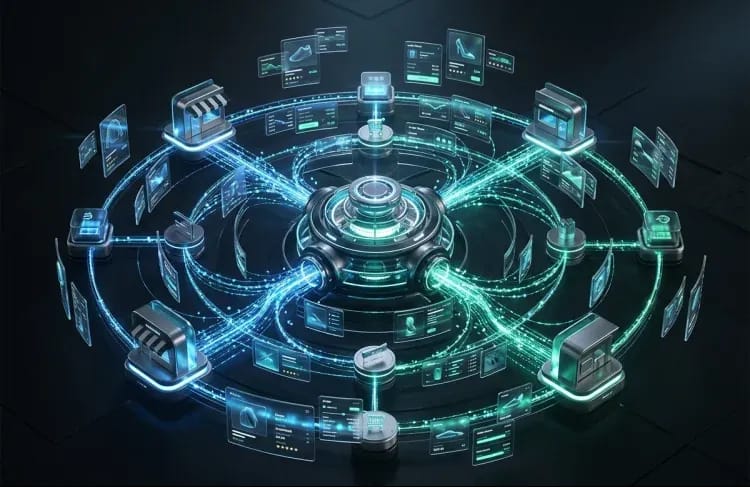
Commerce teams building on Shopify, BigCommerce, Medusa or custom commerce backends know the problem: the platform handles transactions well and content badly, or handles content well and transactions badly. Headless CMS solves the gap, putting rich editorial content, campaign landing pages, product storytelling and localized market content under proper CMS governance while the commerce engine does what it was built for. We design and build headless CMS architectures for commerce operations where Contentful, Sanity, Storyblok or Strapi sits as the content layer, the commerce platform sits as the transaction layer and a Next.js or Nuxt frontend connects them both into a single, fast, editorially flexible storefront.

Migrating content at scale is where most headless CMS projects quietly go wrong: content that doesn’t map cleanly between the old schema and the new, media libraries that break on import, rich text that needs transformation, SEO metadata that has to survive the cutover and editorial workflows that the team needs to keep running while the migration happens underneath them. We migrate from WordPress, Drupal, Sitecore, Adobe Experience Manager, Contentful, Prismic and legacy CMS platforms to modern headless architectures with structured migration scripts, content validation at every checkpoint, redirect mapping for SEO continuity and the phased cutover approach that keeps the content team unblocked throughout.

A headless CMS with a tightly coupled or poorly engineered frontend isn’t headless, it’s just a different kind of bottleneck. We build the production frontend layer that consumes your headless content API and turns it into a fast, accessible, editorially flexible digital experience. Next.js, Nuxt, Astro, SvelteKit and Remix, chosen for your content model, your performance requirements and your team’s existing frontend capability. Static generation where it earns its keep, incremental static regeneration for content that changes frequently, server-side rendering for personalized or authenticated surfaces and the edge deployment patterns that keep Time to First Byte fast regardless of where your users are.
Most CMS vendors announced AI features in 2024. Most of them mean an AI writing assistant in the editorial interface. We mean something more architectural: AI wired into how content is structured, retrieved, personalized and delivered so the headless CMS becomes the intelligence layer between your content and your users, not just a place to store it.

Content models built with structured fields, semantic metadata, vector-ready text blocks and the taxonomy architecture that lets AI systems retrieve, rank and surface your content accurately. Not retrofitted for AI after the schema is already locked.
Highlights:
Content models built with structured fields, semantic metadata, vector-ready text blocks and the taxonomy architecture that lets AI systems retrieve, rank and surface your content accurately. Not retrofitted for AI after the schema is already locked.
Highlights:
Headless CMS development isn’t one discipline. It spans content modelling, API design, editorial workflow engineering, frontend delivery, localization, personalization, search and the migration work that gets you from where the content lives today to where it needs to be. Here are the capabilities we deliver and the engineering bar we hold ourselves to on each one.

Content Architecture & Modelling
Content models that reflect your editorial reality and your delivery requirements, not the default schema the CMS demo ships with. We design content type hierarchies, field group structures, component and block architectures, reference and relation patterns, reusable content strategies and the taxonomy systems that keep large content estates findable and consistent as teams and volumes grow. Schema decisions made at this stage shape editorial workflow, API performance and AI integration for the life of the platform.

Headless CMS API Design & Engineering
The content API is the product your frontends consume. We design REST and GraphQL APIs that expose your content model cleanly, with query patterns that serve the actual delivery requirements of your frontends rather than forcing every surface to over-fetch from a generic endpoint. Versioning strategy, authentication and access control, rate limiting, caching headers, webhook architecture for content events and the API documentation that means your frontend teams don’t need to reverse-engineer the schema every sprint.

Editorial Workflow & Publishing Infrastructure
A headless CMS that editorial teams find difficult to use becomes one that editorial teams work around. We design publishing workflows, approval chain configurations, scheduled publishing, preview environments that show content exactly as it will render on each frontend surface, content locking for simultaneous editing teams and the role and permission structures that give editors what they need without exposing schema configuration to people who shouldn’t touch it.

Localization & Internationalization Architecture
Multi-locale content operations are where headless CMS implementations most often accumulate structural debt, duplicated content types, inconsistent translation workflows, locale-specific field overrides that break the shared content model and frontend delivery patterns that can’t serve the right locale variant reliably. We design and build localization architectures that treat internationalization as a first-class content modelling concern, not a layer added after the base schema is already locked.

Media Management & Asset Pipeline
Media libraries in headless CMS environments carry their own engineering surface: image optimization pipelines, responsive image delivery, DAM integration for enterprises with existing asset management infrastructure, video handling, CDN strategy and the metadata governance that keeps a growing media library searchable and usable by the editorial teams depending on it. Cloudinary, Imgix, Cloudflare Images, AWS CloudFront and native CMS media handling, chosen for your volume, your team’s workflow and your performance targets.

Headless Frontend Architecture & Performance
Static site generation for content that rarely changes, incremental static regeneration for content that changes on a publishing cadence and server-side rendering for personalized, authenticated or highly dynamic surfaces. Core Web Vitals targets set before development begins and validated on real device profiles throughout. Edge deployment through Vercel, Netlify, Cloudflare Workers and AWS CloudFront for consistent performance regardless of where your users are. The frontend architecture decision made here determines whether your Core Web Vitals are a competitive advantage or a liability.

Headless Commerce Integration
Connecting a headless CMS to a commerce platform requires careful API orchestration: product data that lives in the commerce layer needs to be referenced from the content layer without duplicating it, pricing and inventory that change frequently need to be fetched at render time rather than baked into static pages and campaign content that wraps product pages needs to be editorially manageable without engineering involvement for every update. Shopify Storefront API, BigCommerce GraphQL, Medusa, commercetools and custom commerce backends connected to Contentful, Sanity, Strapi and Storyblok through clean integration patterns.

CMS Performance, Caching & Scalability
Headless CMS deployments under real editorial and delivery load expose performance characteristics that staging environments never reveal: API response times under concurrent editorial saves, webhook delivery reliability under high publish volume, CDN cache invalidation patterns that keep content current without hammering the CMS API on every page request and the database query optimization that keeps Strapi and custom CMS APIs responsive as content volume grows. We design and implement the caching, CDN and infrastructure layer that keeps your headless CMS fast under the load it actually handles.

We’re not just another headless CMS development company. We’re the AI-first content infrastructure partner you bring in when the content model has to scale, the editorial workflow has to actually work and the frontend has to perform, not just render.

The difference between a headless CMS that scales and one that accumulates debt quietly is the content modelling decisions made in week one. We design content architectures with delivery requirements, localization scope, AI integration and long-term editorial workflow in mind before any field is created. Not after the schema is locked and the problems are expensive.

You work with CMS engineers who’ve built production Strapi and Umbraco implementations at real scale, migrated content estates from legacy platforms without SEO damage and connected headless content layers to commerce, AI and enterprise systems that weren’t designed to work together. Not developers learning content modelling on your roadmap.

RAG pipeline integration over your CMS content, vector-ready content modelling, AI-assisted editorial workflows and semantic search built on your content estate are part of how we approach headless CMS projects, not services we add to the proposal after you ask about AI.

Headless CMS projects fail editorially when the technical architecture prioritizes developer experience over editorial usability. We design for both. The content model is clean for the API. The editorial interface is usable without a developer in the room. Publishing workflows match how your editorial team actually operates.

CMS migrations are high-risk for organic search. Redirect mapping, metadata preservation, canonical handling, structured data continuity and the phased cutover approach that keeps your existing rankings intact through the migration are standard parts of every migration engagement, not optional add-ons.

We architect headless content infrastructures for the surfaces you need today and the ones on your roadmap for next year: web, mobile apps, kiosks, AI assistants, voice interfaces, partner APIs and the content delivery patterns that make omnichannel actually work rather than just being a word on the strategy document.
Most headless CMS projects don’t fail because of the platform choice. They fail because the content model was designed without understanding the editorial workflow, the frontend was built before the API contract was settled or the migration was executed without a rollback plan. Our AI-first headless CMS development services follow a structured delivery methodology designed to catch those failures before they ship.
Here’s exactly how it works.

We audit your existing content estate, editorial workflows, delivery surfaces, integration landscape and performance requirements to ground every architecture decision in your actual situation, not a generic headless CMS best practice.

We design the content model and select the platform that fits your content complexity, your team’s technical depth, your localization requirements and your integration roadmap. Platform selection happens after the content model is understood, not before.

We design the content API and frontend architecture in parallel so the query patterns the frontend needs are reflected in how the CMS exposes its content, not discovered through a series of painful post-launch API changes.

We build and configure the CMS with the content types, editorial workflows, permissions, preview environments and media pipeline your team needs to operate independently. Documentation delivered before handover, not as an afterthought.

We build the production frontend consuming the CMS API with Core Web Vitals targets validated on real devices, accessibility implemented at the component level and the CI/CD integration that keeps content and code deployments independent of each other.

Content migration executed with structured scripts, validation at every checkpoint, redirect mapping for SEO continuity and the phased cutover that keeps the existing site running until the new platform is fully validated. QA covers editorial workflow, API performance, frontend rendering and accessibility.

Post-launch support covering CMS platform updates, content model evolution as editorial requirements change, performance optimisation as content volume grows and the quarterly architecture reviews that surface improvements before technical debt compounds.
Your headless CMS engagement doesn’t fit a template, and the contract shouldn’t either. The right model depends on your project scope, your migration complexity and your in-house frontend team’s depth. Three models, all built for production-grade content infrastructure delivery.
You’re building a complex headless CMS platform over six months or more, migrating a large content estate, building omnichannel delivery infrastructure or augmenting your in-house team without the cost and lead time of full-time specialist hires.
Hand-picked CMS engineers, content architects, frontend developers and a delivery lead working only on your platform. Sprint planning, content model reviews and editorial handover sessions all run on your calendar.
Monthly retainer. No surprise invoices, no scope-creep billing. Team composition flexes as your CMS roadmap evolves.

3 to 8 engineers

6-month minimum

Scales with 30-day notice

Most teams start with a focused build and evolve into a longer engagement as the content platform grows. Let’s figure out the right starting point together.

Building AI-First Content Foundations for the Businesses That Will Define the Next Decade. The teams that invest in headless content architecture now won’t be the ones rebuilding their CMS in two years because the monolith slowed the editorial team down, the frontend hit a scaling wall or the AI integration required a content model that was never designed for it.


Content architecture requirements look different across industries. The compliance posture, the localization scope, the editorial team structure and the delivery surfaces all change the engineering. These are the verticals where we’ve built headless CMS platforms in production.

Honest answers to the questions every product owner, head of engineering and head of marketing asks before they hire a headless CMS development company. If something isn’t covered here, our CMS architects will walk you through it on a discovery call, no sales pitch, no platform advocacy.
Look beyond the platform logos. The right headless CMS development company asks more questions than it answers in the first conversation: about your content complexity, your editorial team’s technical comfort level, your delivery surfaces, your localization requirements and what a badly designed content model will cost your engineering team over the next three years. Evaluate on content architecture depth, not just configuration speed. Anyone who recommends a platform before they’ve understood your content model and your editorial workflow isn’t the right partner.
End-to-end headless CMS development services cover content architecture and modelling, platform selection, CMS implementation and configuration, editorial workflow design, media pipeline setup, REST or GraphQL API design, headless frontend development, localization architecture, CMS migration from legacy platforms, third-party integrations, performance optimization and ongoing support. The best engagements start with a content audit and architecture discovery before any platform is chosen or configured.
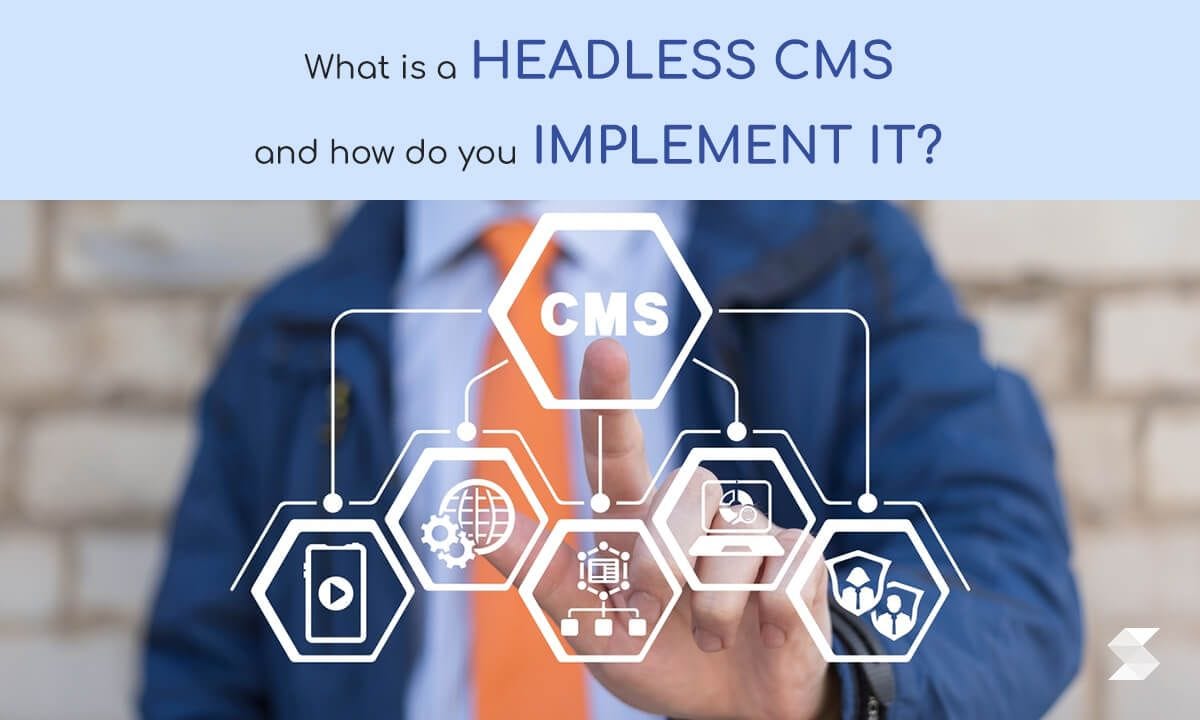
A traditional CMS (WordPress, Drupal in default mode, Sitecore) couples the content management backend to the frontend presentation layer. Change the design and you change the CMS. Add a mobile app and you either duplicate the content or build custom APIs on top of a platform not designed for it. A headless CMS manages content through a backend and exposes it via API, completely separate from how and where it’s displayed. The same content reaches your website, your mobile app, your kiosk, your AI assistant and any other surface you choose, all from one editorial source of truth. The trade-off is that headless requires a separate frontend, which adds engineering overhead. For teams serving multiple surfaces or expecting to add surfaces, it’s almost always the right investment.
It depends on your content complexity, your team’s technical depth, your localization requirements, your budget model and your integration landscape. Strapi for full control, open-source economics and Node.js teams who want to own the platform entirely. Umbraco for .NET enterprises with existing Microsoft infrastructure and teams that value the structured content modelling and editorial UX Umbraco provides. Contentful and Sanity for teams that want a managed cloud SaaS with strong editorial experience and don’t need the infrastructure overhead of self-hosting. Custom headless for content models and access control requirements that no off-the-shelf platform handles well enough. We recommend after we understand your situation, not before.
A focused headless CMS implementation on an existing platform with a straightforward content model: $20,000 to $60,000. A mid-complexity headless build with custom content types, frontend development, migration and integrations: $75,000 to $200,000. A full enterprise headless content platform with localization, commerce integration, AI features and migration from a large legacy CMS: $250,000 to $750,000+. Ongoing support and development typically runs $5,000 to $25,000 per month depending on scope. We provide detailed estimates after a content audit.
A focused Strapi or Umbraco implementation with a well-defined content model: 6 to 12 weeks. A mid-complexity headless build including frontend and key integrations: 3 to 5 months. A full enterprise headless content platform with migration from a legacy CMS, localization and commerce integration: 6 to 12 months. Migration complexity is usually the variable that extends timelines most. We provide milestone-based timelines in writing before the engagement begins.
Yes, and SEO continuity is a standard part of every migration engagement, not an optional add-on. We produce a full redirect mapping document before migration begins, preserve metadata, canonical tags and structured data through the content migration, run pre-launch SEO validation against the new platform and use a phased cutover approach that keeps the existing site live and indexed until the new platform is fully validated. CMS migrations that are executed without a redirect strategy and SEO validation process are the ones that damage organic rankings. We don’t run those.
Three models: Dedicated Headless CMS Team (for multi-quarter platform builds and enterprise content infrastructure), Time and Material (for evolving scope, phased builds and exploratory content architecture work) and Fixed Cost (for well-scoped CMS implementations, migrations and frontend builds). We recommend the model honestly based on your situation and your content complexity.
Yes. Headless CMS and headless commerce integration is one of our core delivery patterns. We connect Strapi, Storyblok, Sanity and Contentful to Shopify Storefront API, BigCommerce GraphQL, Medusa, commercetools and custom commerce backends, with the API orchestration layer that keeps product data, pricing and inventory fresh without duplicating it in the CMS and the frontend delivery architecture that serves both content and commerce data to the same page without doubling the Time to First Byte.
Yes. Ongoing headless CMS support covers platform updates, content model evolution as your editorial requirements change, performance optimization as content volume grows, frontend dependency updates, integration maintenance and the quarterly architecture reviews that surface improvements before technical debt compounds. We provide support under defined SLAs or transition the platform to your in-house team with the documentation and training to operate it independently.
AI-first headless CMS development means designing your content architecture with AI use cases as a first-class consideration from day one: vector-ready content fields for RAG pipeline integration, semantic metadata for AI-powered search, structured data that LLMs can consume accurately and the editorial workflows that incorporate AI assistance without replacing editorial judgment. If your product roadmap includes an AI assistant, semantic search, AI-generated content recommendations or any generative feature that draws on your content estate, designing the CMS schema for AI from the start is significantly cheaper than retrofitting it after the model is in production and the content doesn’t structure the way the retrieval pipeline expects.
Didn't Find What You Were Looking For?
Get In Touch With Our Experts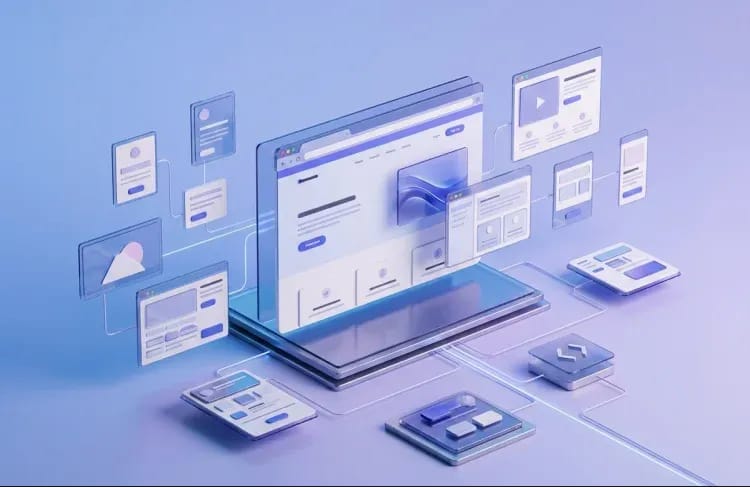

Curated insights, platform comparisons and engineering best practices on headless CMS architecture, Strapi and Umbraco development, headless commerce, content modelling and AI-powered content delivery written to help you build smarter content infrastructure, ship faster and stay ahead of where the headless CMS landscape is actually headed next.
We'd love to understand what you want to build. The more context you share, the faster we can give you a useful response not a sales pitch, but a genuine assessment of how we can help and what working together would look like.


Solvios is a leading software development company crafting innovative solutions for businesses. We Specialize in custom software, web & mobile app development, and digital marketing. Partner with us to transform your vision into reality and achieve digital success.